 English (UK)
  Español
  Deutsch
  Italiano
  Français
  Svenska
  Norsk bokmål
  Português
  Čeština
  Dansk
Dansk  Polski
  Nederlands
  Magyar
  Ελληνικά
  Suomi
Suomi 
Uncategorised
How Anti-Static Benches Improve Safety in Electronic Workspaces

Apr
A single static discharge can destroy a sensitive component without leaving any visible mark. That is the kind of silent risk many electronics teams deal with daily. An anti-static bench is often the first real line of defense, not just for protection, but for consistent, safe work.
This blog breaks down how these benches improve safety, reduce failures, and support better workflow in real electronic environments.
What Is an Anti-Static Bench and Why Does It Matter
An anti-static bench is a specially designed workstation that controls and safely drains static electricity. Instead of letting charge build up and suddenly discharge into components, it manages the flow in a controlled way.
Electronics today are highly sensitive. Even a small electrostatic discharge can:
- Weaken circuits over time
- Cause immediate failure
- Create hidden defects that appear later
Standards like IEC 61340 make it clear that controlled workspaces are no longer optional. They are part of basic operational safety.
How ESD Work Benches Improve Safety
Controlled Static Flow
Static builds from simple actions like walking, handling tools, or even air movement. ESD Work Benches use conductive materials and grounding systems to guide that charge away safely.
That means no sudden sparks. No unexpected failures. Just a stable working surface.
Component Protection at Every Step
Sensitive electronics need a controlled environment from start to finish. ESD benches create that environment by maintaining consistent electrical balance.
Many assembly units have reported fewer product defects after switching to proper ESD setups. Not a coincidence. It is controlled science at work.
Better Working Conditions for Technicians
Small static shocks may not seem serious, but they interrupt focus. Over time, they lead to mistakes. A grounded workspace reduces these disruptions. Work becomes smoother. Technicians stay focused longer. Accuracy improves without forcing it.
Real-World Impact
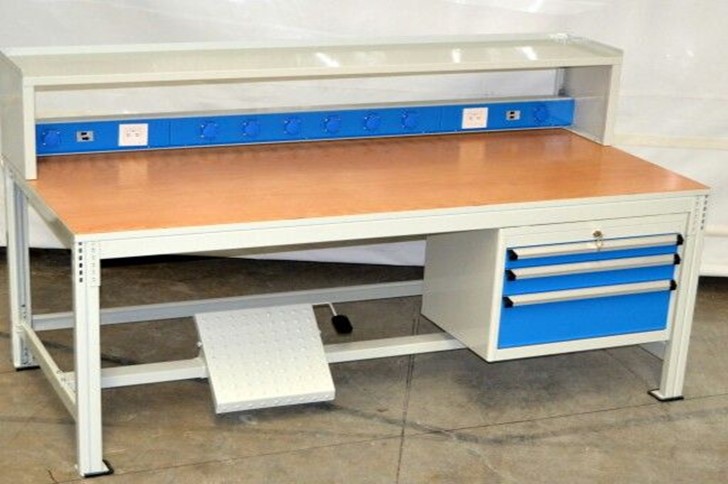
A repair workshop was upgraded to dedicated ESD workbenches after noticing unexplained failures. Within weeks, those issues dropped significantly, not because of better technicians, but because the environment changed.
Another case from a manufacturing unit showed fewer returns after improving workstation grounding. That kind of improvement directly affects cost and reputation.
What Makes Anti-Static Benches Effective
A proper setup is more than just a table. It works as a complete system.
- Grounded connection that safely directs static away
- ESD-safe surface materials with controlled resistance
- Compatibility with wrist straps and tools
- Durable build that maintains performance over time
Missing one of these elements can reduce the overall effectiveness. Everything needs to work together.
How to Use an Anti-Static Bench Correctly
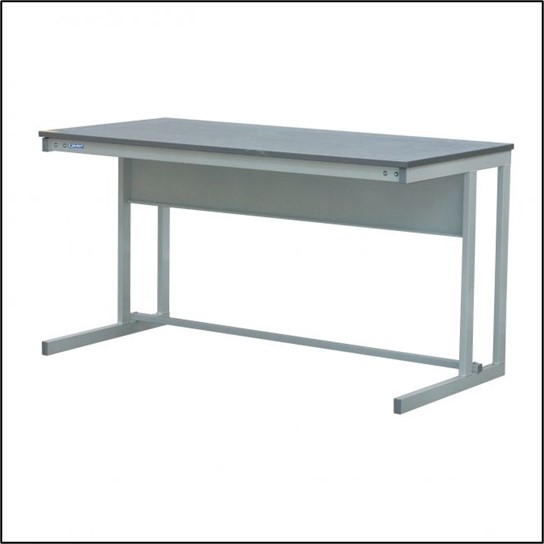
Even the best equipment fails when used casually. Proper use ensures real safety benefits.
- Always connect the bench to a reliable ground point
- Use wrist straps when handling sensitive parts
- Avoid placing insulating materials on the surface
- Clean regularly to maintain conductivity
These steps are simple but often overlooked. Consistency is what makes the system work.
Common Issues That Reduce Safety
Many workplaces invest in ESD benches but miss small details that matter. Improper grounding, worn-out mats, or ignoring testing can quietly increase risk again. Static protection is not a one-time setup. It needs regular attention.
Conclusion
Static damage is easy to underestimate because it is invisible. Yet, it can impact product quality, reliability, and cost in a big way. Anti-static benches create a controlled environment where those risks are reduced before they become problems.
For any electronics workspace, this is not just an upgrade. It is a necessary step toward safer, more reliable operations. Anti-Static ESD continues to support businesses with practical solutions that make this transition easier and more effective.
FAQs
1. What does an anti-static bench do?
An anti-static bench controls and safely dissipates static electricity, protecting sensitive electronic components from damage.
2. Are ESD workbenches required for electronics repair?
Yes, they are strongly recommended because even small static discharges can damage components during repair work.
3. How do ESD benches improve safety?
They prevent sudden electrostatic discharge by providing a controlled path to ground, reducing both product damage and workplace disruptions.
4. How can I maintain an anti-static bench?
Regular cleaning, proper grounding, and periodic testing ensure the bench continues to perform effectively.
