 English (UK)
  Español
  Deutsch
  Italiano
  Français
  Svenska
  Norsk bokmål
  Português
  Čeština
  Dansk
Dansk  Polski
  Nederlands
  Magyar
  Ελληνικά
  Suomi
Suomi 
Uncategorised
ESD Floor Cleaner for Maintaining Static-Safe Floors
Feb
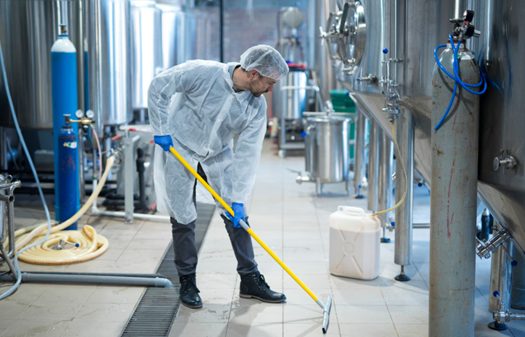
Maintaining static-safe environments is a core requirement for facilities that work with sensitive electronic components. Floors are significant in the control of electrostatic discharge; however, their performance depends on proper cleaning techniques. The application of inappropriate products may harm conductive properties and raise the risk of statical or not. The present blog discusses why an ESD Floor Cleaner is important in maintaining the performance of floors over the life of a building, how to shop for a cleaner and the initial maintenance of equipment and the code. The instructions are in the form of advice to industrial purchasers, facilities managers and technical teams that use uniform, standards-based floor care.
Why Proper Cleaning Matters for Static-Safe Floors
Static-safe floors are engineered to control electrical charges, not just handle foot traffic. Regular cleaning removes dust, oils, and residues that interfere with surface resistance.
- Daily foot traffic introduces contaminants that reduce conductivity and weaken grounding performance.
- Incorrect detergents can leave insulating films that compromise ESD control.
- Consistent cleaning preserves surface resistance values and extends floor lifespan.
When maintained correctly, ESD Flooring continues to meet operational and safety expectations without frequent replacement or re-coating.
Key Features to Look for in an ESD Floor Cleaner
Not all cleaning products are suitable for static-controlled areas. A dedicated ESD cleaner is formulated to clean without altering electrical properties.
The neutral pH formulae are aimed at cleaning them without the destruction of conductive additives in the floors that are statical. The absence of residue during the drying process avoids the accumulation of insulating material, whereas its compatibility with conductive tiles, vinyl and epoxy surfaces enables the same level of ESD performance in a variety of flooring systems.
A proper cleaner supports long-term performance and reduces the need for corrective maintenance in controlled environments.
Best Practices for Cleaning Anti-Static Floors

Cleaning routines should be structured and repeatable. This ensures floors remain compliant with static-control standards over time.
- Use microfiber mops or auto-scrubbers designed for controlled areas.
- Dilute cleaners according to manufacturer instructions to avoid over-application.
- Schedule periodic resistance testing to confirm Anti Static Flooring performance.
These steps help maintain uniform electrical behavior across the floor surface and prevent unexpected ESD failures.
Compliance and Facility Benefits
Correct floor maintenance supports broader operational goals beyond cleanliness. It directly impacts product safety, audit readiness, and workplace reliability.
- Reduces risk of electrostatic discharge damage to sensitive components.
- Helps meet internal ESD programs and quality audits.
- Lowers long-term costs by extending floor service life.
Facilities that follow structured cleaning protocols experience fewer disruptions and more predictable performance.
Conclusion
This is necessary when using the right cleaning products to maintain a technical environment that have statical safe floors. An ESD floor cleaner designed expressly to guard against conductivity aids in compliance and ensures the smooth running of operations. For facilities that want to raise the floor care standards and lower the risk of ESD, solutions such as those provided by Anti-Static ESD of professional grade will be a safe starting point.
FAQs
1. How often should ESD floors be cleaned?
Most facilities clean daily or weekly, depending on foot traffic and contamination levels.
2. Can standard detergents be used on ESD floors?
No. General cleaners can leave residues that interfere with static control.
3. Do ESD cleaners restore conductivity?
They do not repair damage but help preserve existing electrical properties.
4. Is testing required after cleaning?
Periodic resistance testing is recommended to confirm ongoing floor performance.
