 Norsk bokmål
  English (UK)
  Español
  Deutsch
  Italiano
  Français
  Svenska
  Português
  Čeština
  Dansk
Dansk  Polski
  Nederlands
  Magyar
  Ελληνικά
  Suomi
Suomi 
Ikke kategorisert
Slik velger du den beste ESD-bordmatten til arbeidsstasjonen din
des
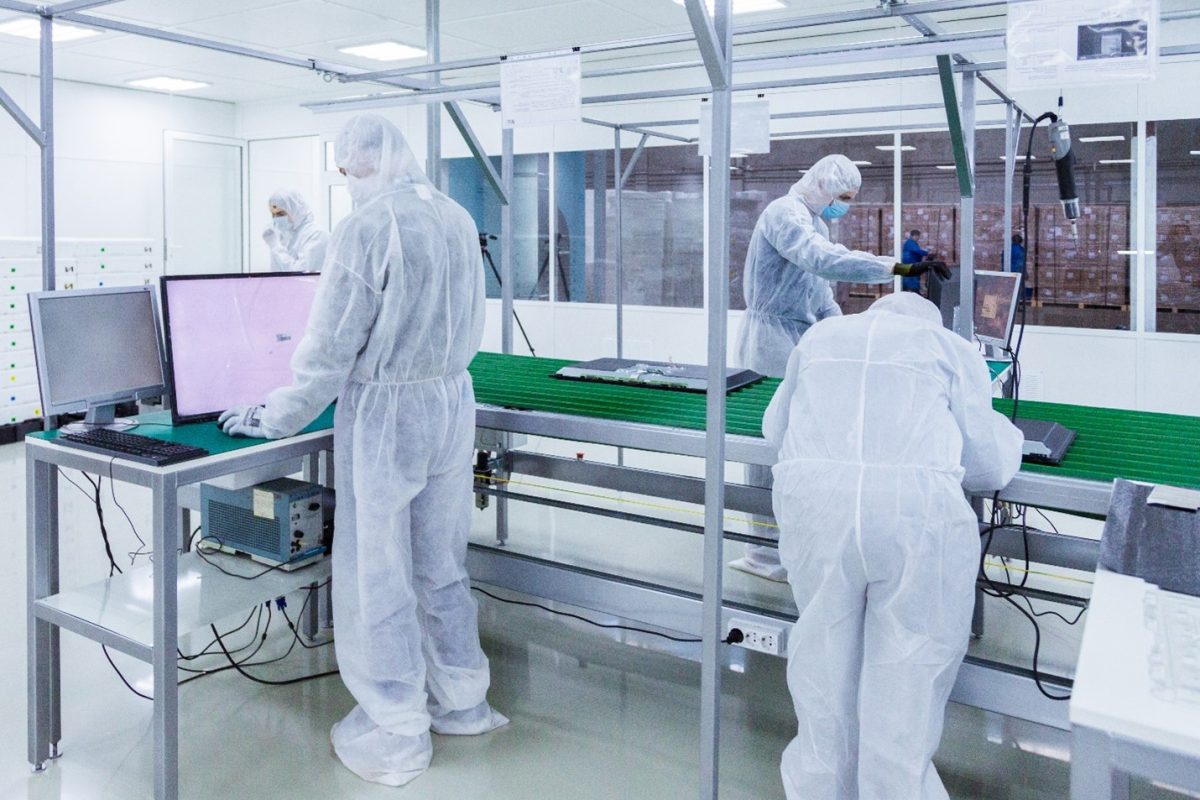
If you’ve ever handled a sensitive circuit board and felt that tiny crackle of static jump off your sleeve, you already know how quickly damage can happen. In most workplaces we support, the biggest risks don’t come from complex machines they come from poorly prepared benches. That’s why choosing the right ESD mat for your ESD-arbeidsstasjon is one of the simplest, most reliable ways to protect your equipment. A proper table mat stabilises your work area, prevents hidden charge build-up, and keeps your components safe. In this blog, you’ll learn exactly how to pick the best ESD mat for everyday professional use.
Why Your Workstation Needs the Right ESD Table Mat
In static-sensitive environments, the surface you work on defines how safe your components really are. A good Esd mat helps disperse static electricity, keeps tools stable, and creates a controlled workspace inside your ESD workstation. The right mat reduces rework, protects equipment, and keeps your processes compliant. Here’s how to choose the one that fits your daily workflow.
Look for the Right Material Type
Different tasks need different materials. Each Esd mat type uniquely supports your ESD workstation.
Vinyl Mats
Vinyl mats are popular because they’re affordable, durable, and easy to clean. Many teams prefer them for assembly benches or repair tables.
Rubber Mats
Rubber mats can handle heat and chemicals better. If you’re soldering, testing, or handling sharp tools, a rubber Esd mat offers more long-term stability.
Check Surface Resistivity Ratings
To protect your components, the Esd mat should fall within the standard ESD-safe resistivity range. This ensures your ESD workstation disperses charges at a controlled and safe speed. Look for mats marked dissipative or conductive based on your setup.
- Dissipative: Balanced discharge, safe for most electronics
- Conductive: Faster discharge for industrial or expert-level stations
Choose the Right Thickness
An ESD mat that is thicker will give comfort and durability to your ESD workstation. Light jobs can be done with thin mats but when doing heavy work, thicker mats take the impact of work, lessen fatigue and stay lower than thin ones. The majority of professionals like using something between 2mm and 3mm, as it will not curl.
Make Sure It Includes Grounding Points
A great Esd mat isn’t complete without proper grounding. Your ESD workstation needs at least one snap stud for earth bonding. Some mats include multiple grounding points so you can choose whichever is closer to your tools. Always check for grounding accessories in the box, cables, snaps, and connectors.
Think About Size and Workspace Layout
Your mat should cover the exact area where your hands, tools, and components move. Too small, and static sneaks in from the edges. Too large, and it may fold or wear unevenly. When choosing an Esd mat for your ESD workstation, measure:
- Your active working space
- The distance to your grounding plug
- Placement of tools and testers
A well-fitted mat improves workflow and keeps your bench cleaner.
Durability Matters More Than You Think
If your ESD workstation sees heavy use, choose a stronger Esd mat that can handle soldering heat, dropped tools, or regular cleaning. Mats with multi-layer construction last longer and stay effective even after years of use.
What to Look for When Choosing an ESD Table Mat

Before you buy, confirm your Esd mat includes:
- Dissipative or conductive surface
- Snap grounding point(s)
- 2–3mm thickness
- Anti-slip underside
- Heat and chemical resistance
- Certifications or test data
Konklusjon
The question regarding the selection of the optimal Esd mat into your ESD workstation is reduced to the level of knowing your workflow, materials you deal with and safety needs of the surrounding environment. The right mat will safeguard equipment, minimize expensive breakdowns, and stabilize your workspace.
For trusted, high-quality ESD mats and professional guidance, explore the range at Antistatisk ESD.
Vanlige spørsmål
- What makes an Esd mat essential for an ESD workstation?
A Esd mat safely disperses static charges and protects sensitive components during work. - How often should I replace an Esd mat?
Most mats last years, but replace your Esd mat if it becomes cracked, warped, or loses conductivity. - Can I use a regular rubber mat instead of an Esd mat?
No. Only a certified Esd mat provides the controlled grounding needed for an ESD workstation. - Do Esd mats need a wrist strap?
Yes. Combining a wrist strap with your Esd mat ensures full grounding of both the user and workstation.
