 Suomi
Suomi  English (UK)
  Español
  Deutsch
  Italiano
  Français
  Svenska
  Norsk bokmål
  Português
  Čeština
  Dansk
Dansk  Polski
  Nederlands
  Magyar
  Ελληνικά
Luokittelematon
Earth Bonding Plug Explained: Its Role in ESD Safety and Compliance
kesä
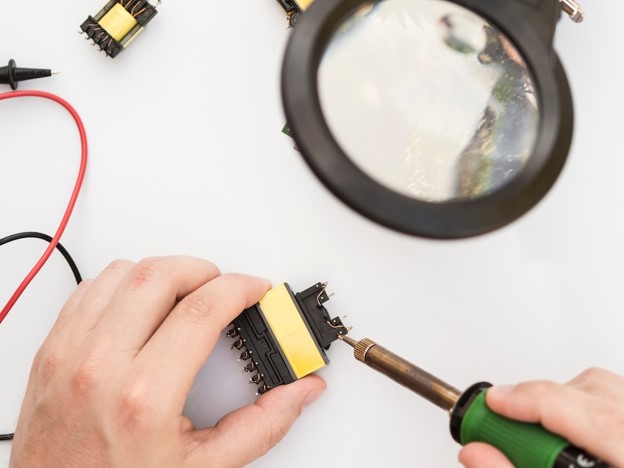
That is all it takes to damage a sensitive electronic component. Many workplaces never notice the problem until systems begin failing, products get returned, or repair costs start climbing. A small grounding issue can quietly turn into a serious business expense.
An Maadoituspistoke plays a major role in preventing that damage. It helps control electrostatic discharge by creating a safe grounding path in ESD-protected workspaces. Companies working with electronics rely on proper grounding every single day, even if the equipment itself looks simply.
This blog explains how Earth Bonding Plugs work, why they matter for compliance and how modern Anti Static esd environments use them to protect equipment and reduce risk.
What Is an Earth Bonding Plug?
An Earth Bonding Plug is a grounding device used in ESD-safe areas. Its purpose is to safely connect anti-static equipment to earth ground without carrying live electrical current.
Many people mistake these plugs for regular electrical plugs, but they work differently. Instead of supplying power, they remove built-up static electricity from workstations, wrist straps, grounding mats and connected systems.
Electronics manufacturing facilities, repair labs and testing environments use these plugs because static electricity can destroy components long before visible signs appear.
Why Static Electricity Causes Problems
Static discharge sounds minor until expensive equipment fails. Humans usually cannot feel static until it reaches several thousand volts. Sensitive electronics, however, may become damaged at levels under 100 volts.
That gap creates hidden trouble. A damaged component might still work during testing, then fail weeks later after shipping. This is one reason ESD protection has become a standard requirement across the electronics industry.
Common ESD-related issues include:
- Circuit board damage
- Random product failures
- Reduced equipment lifespan
Industry reports from the EOS/ESD Association continue to show billions lost every year due to electrostatic damage and production downtime.
How an Earth Bonding Plug Works
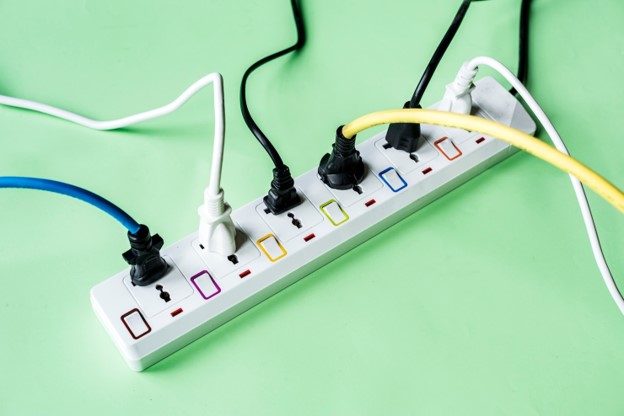
The setup itself is fairly simple. The Earth Bonding Plug connects directly to a verified grounding point. From there, grounding cords attach to anti-static mats, benches, wrist straps, or flooring systems.
Once connected, static charges safely flow away from the workstation instead of building up around sensitive electronics.
Most certified ESD products are designed around this grounding structure because consistency matters in ESD control systems.
A missing grounding point can weaken the entire workstation setup. That catches many businesses by surprise during compliance checks.
ESD Compliance and Workplace Safety
Modern electronics facilities operate under strict ESD safety standards. Grounding systems are not optional anymore in industries handling sensitive components.
An Earth Bonding Plug supports compliance with standards such as ANSI/ESD S20.20 and IEC 61340-5-1. Auditors often inspect grounding systems closely because poor grounding creates serious reliability risks.
Medical electronics, automotive manufacturing, aerospace systems and telecom industries all depend heavily on proper ESD protection.
One electronics repair workshop in the UK learned this the hard way after repeated motherboard failures appeared during testing. Staff initially blamed suppliers. Later inspections found grounding cables had worn out over time, leaving benches improperly connected.
Replacing the damaged grounding system and upgrading to certified Anti Static esd equipment reduced failures within weeks. That situation is more common than many expect.
Choosing Reliable ESD Grounding Equipment
Quality grounding products matter because inconsistent grounding creates inconsistent protection. Cheap accessories may loosen, wear out quickly, or fail compliance testing later.
Reliable ESD setups usually include:
- Maadoituspistoke
- Grounding cord
- ESD workstation or mat
Experienced technicians often recommend checking grounding systems regularly instead of waiting for visible equipment failures.
Why Demand for ESD Protection Keeps Growing

Electronics continue getting smaller, faster and more sensitive. That increases the risk of electrostatic damage across nearly every technical industry.
Electric vehicle manufacturing, semiconductor production, server facilities and repair centers now invest heavily in certified ESD-tuotteet and workplace grounding systems. Companies understand that prevention costs far less than product failures and operational downtime.
Search demand for ESD safety solutions has also increased as businesses focus more on compliance, reliability and long-term equipment protection.
Päätelmä
An Earth Bonding Plug may seem like a small part of an ESD workstation, yet its role is extremely important. Proper grounding helps prevent hidden electronic damage, supports safety compliance and improves product reliability across industrial environments.
Static electricity rarely gives warnings before problems appear. Strong grounding systems reduce that risk before damage begins.
Businesses looking for dependable grounding solutions and professional ESD protection equipment continue turning to trusted suppliers like Antistaattinen ESD.
UKK
What is the purpose of an Earth Bonding Plug?
An Earth Bonding Plug safely grounds ESD equipment and removes static electricity from workstations without carrying live electrical power.
Why is Anti Static esd protection important?
Anti Static esd protection helps prevent electrostatic discharge from damaging sensitive electronic components during manufacturing, repair, or testing.
Are all Esd Products suitable for industrial use?
Not always. Certified ESD products designed for industrial compliance offer better grounding reliability and long-term protection.
How often should grounding systems be tested?
Most ESD experts recommend regular monthly inspections and routine testing of grounding cords, plugs, and wrist straps in active workplaces.
